

How to recognize when it’s time to stop gambling
Understanding the Signs
Gambling can begin as an enjoyable pastime, often seen as a thrilling escape from reality. However, it can quickly spiral into something more harmful. Recognizing the signs that suggest it’s time to stop best australian online casino gambling is crucial for one’s well-being. If the thrill of the game starts to overshadow more critical aspects of life, such as relationships or financial responsibilities, it may be time to reassess one’s involvement.
Sometimes, the realization may hit during quieter moments—when a person finds themselves obsessively thinking about their next bet while ignoring important obligations. This internal conflict often signals that gambling has shifted from a hobby to an unhealthy compulsion. Keeping a close watch on emotional changes and lifestyle shifts can be a first step toward understanding one’s gambling behavior. Furthermore, reflecting on personal motivations behind gambling can provide clarity. Are you seeking excitement, social interaction, or an escape from stress? Understanding these motivations can offer insights into whether it’s time to stop.
The Financial Impact
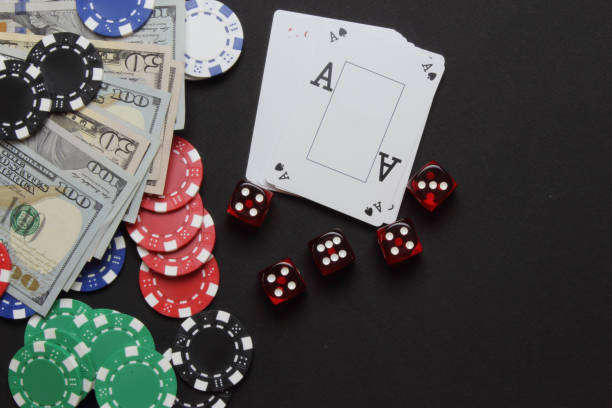
One of the clearest indications that it may be time to step back from gambling is its financial impact. If gambling has led to mounting debts or if the thrill of wagering outweighs the financial toll it takes, then it’s vital to reconsider this activity. Many people find themselves justifying losses with the hope of a big win, but this cyclical thinking can lead to severe financial hardship.
In this digital age, where accessing funds is more straightforward than ever, it’s easy to gamble more than intended. If financial instability starts to infringe upon daily living or causes stress and anxiety, it becomes increasingly essential to recognize that this may be a time to stop gambling. Seeking help or speaking with a financial advisor can provide clarity and necessary support at this junction. Moreover, creating a detailed budget that accounts for gambling expenses may help in gaining control over finances and understanding the true cost of gambling.
The Emotional Toll
Beyond money, gambling can take a significant emotional toll. Many find their mood fluctuating dramatically as they win or lose wagers. If gambling starts causing anxiety, stress, or depression, it’s a clear signal that a break is necessary. Often, gambling can replace healthy coping mechanisms, leading to emotional exhaustion.

It’s essential to notice if emotions become tied to gambling outcomes. Winning may bring temporary highs, while losses can lead to a downward spiral of negativity. If one notices this emotional rollercoaster affecting their mental health or relationships, it indicates that continuing to gamble may do more harm than good. Engaging in activities that promote emotional well-being and forming new hobbies can help foster a sense of fulfillment outside of gambling, making it easier to detach from negative patterns.
Social Isolation
Gambling can inadvertently lead to social isolation. When time spent on games takes precedence over social gatherings or family outings, it may threaten vital relationships. If one starts choosing gambling over companionship or begins to withdraw from loved ones due to shame or secrecy, that’s a strong sign of an unhealthy addiction.
A community support structure is essential for overall well-being. Relationships can suffer when gambling becomes the primary focus, causing rifts that are challenging to mend. If friends and family start expressing concern about your gambling habits or draw back from you, it may indicate a critical moment to reflect on one’s priorities and consider stopping. Talking openly with loved ones about gambling can facilitate understanding and pave the way for healing connections.
Seeking Support and Resources
Taking the step to recognize the need to stop gambling is a courageous decision, but it can feel daunting. Resources for help are available through support groups, counseling services, and online communities that focus on overcoming gambling issues. Engaging with others who understand similar struggles can provide invaluable support and empowerment.
There are many avenues for seeking assistance, from local support groups to online platforms. For individuals ready to make a change, exploring these resources can connect them with people and tools to foster healthier habits. For example, beginners in this journey might find that sharing their experiences in a supportive environment is a powerful step toward recovery. Additionally, attending workshops or seminars dedicated to responsible gambling can offer practical tools for managing urges effectively.
Visit Salvage World for Guidance
If you feel overwhelmed by your gambling habits or wish to learn more about responsible gaming, exploring resources like Salvage World will be beneficial. This platform provides comprehensive information about safe gambling practices, ensuring that players understand when it’s time to walk away for their well-being.
Attaining peace and balance in life is essential, and recognizing when to stop gambling can lead to healthier choices and emotional stability. By taking advantage of the information and support offered, you can navigate this journey toward positive change and regain control over your life. Remember, seeking help is a sign of strength, and there are many paths to recovery and well-being.